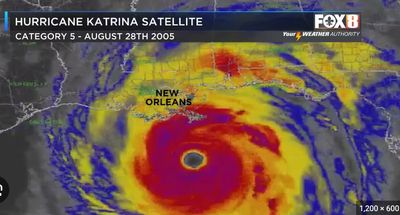
Hurricane Katrina, August 2005
Hurricane Katrina showed how fragile modern infrastructure systems can be when multiple failures happen at the same time. Power systems, communication networks, and transportation infrastructure all broke down together. The recovery effort also showed the importance of rebuilding stronger systems that can better withstand future disasters.
Event Overview
Hurricane Katrina made landfall on August 29, 2005 along the U.S. Gulf Coast. The storm caused catastrophic flooding in New Orleans after several levees failed. More than 1,800 people died, and millions lost power, communications, and access to basic services. The storm damaged roads, power systems, hospitals, and communication networks across Louisiana and Mississippi. Recovery took months for basic services and years for full rebuilding.
Phase 1 (Day 0-3)
Power Systems
- More than 2.6 million customers lost electricity across Louisiana, Mississippi, and Alabama.
- Thousands of power lines, poles, and substations were destroyed by wind and flooding.
Communication Networks
- Over 3 million phone lines failed.
- Roughly 38% of cellular towers in the region stopped working due to power loss and physical damage.
Digital Infrastructure
- Internet service collapsed in many areas because fiber networks and data centers lost power.
- Emergency services relied heavily on satellite phones and radio systems when normal communication failed.
Phase 2 (Week 1-2)
Power Systems
- Utility crews from across the U.S. traveled to the Gulf Coast to help restore electricity.
- Power was restored to about one million customers within the first two weeks.
Communication Networks
- Telecommunications companies deployed portable cell towers (COWs – Cells on Wheels) to restore service.
- Satellite communication became critical for emergency coordination.
Digital Infrastructure
- Government agencies restored emergency computer systems needed for relief coordination.
- Banks and hospitals used backup systems while infrastructure was repaired.
Phase 3 (Month 1-2)
Power Systems
- By early October 2005, power had been restored to most urban areas of Louisiana and Mississippi.
- Rural and heavily flooded areas took longer due to damaged substations and underground lines.
Communication Networks
- Major telecommunications providers rebuilt damaged fiber lines and towers.
- Cellular service coverage improved steadily as power systems returned.
Transportation & Utility Infrastructure
- Major highways and bridges reopened.
- Water treatment plants and pumping stations slowly returned to service.
Phase 4 (Month 3-4)
Power Systems
- Most customers in the affected states had electricity restored by late fall 2005.
- Utilities replaced thousands of poles and rebuilt major transmission lines.
Communication Networks
- Phone and internet networks returned to near-normal operation by early 2006.
- Emergency communication systems were upgraded to improve reliability.
Digital Infrastructure
- Government data systems and financial services stabilized as offices reopened.
- Businesses began rebuilding local IT infrastructure.
Phase 5 (2006 and Beyond)
After Katrina, major changes were made to reduce future disaster risk.
Infrastructure Improvements
- Stronger levees and flood protection systems were built around New Orleans.
- Power companies improved grid hardening and emergency restoration planning.
Communication Systems
- Emergency communication networks were redesigned to prevent the failures seen during the storm.
- The FirstNet public safety network concept was later developed to improve emergency communications nationwide.
Disaster Response Systems
- Federal and state governments changed emergency response planning and coordination systems.
Key System Lessons
1. Infrastructure systems depend on each other- when electricity failed, communication and digital systems failed quickly as well.
2. Physical damage can disrupt digital systems - even modern digital services rely on physical infrastructure like power lines and fiber networks.
3. Recovery requires national coordination - Utilities, telecom companies, government agencies, and emergency responders worked together to restore services.
Sources
FEMA Katrina Overview: https://www.fema.gov/disaster/1603
FEMA Long-Term Recovery Reports: https://www.fema.gov/about/reports/katrina
National Hurricane Center Storm Report: https://www.nhc.noaa.gov/data/tcr/AL122005_Katrina.pdf
National Oceanic and Atmospheric Administration (NOAA) Summary: https://www.noaa.gov/stories/hurricane-katrina
U.S. Department of Energy (DOE): https://www.energy.gov/sites/default/files/oeprod/DocumentsandMedia/Katrina_SitRep_9_12_05.pdf
Federal Communications Commission (FCC) Katrina Impact Report: https://transition.fcc.gov/pshs/docs/katrina/fcc_katrina_report.pdf
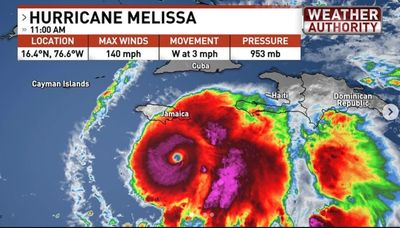
Hurricane Melissa, October 2025
Hurricane Melissa demonstrated how modern societies depend on a network of interconnected systems: electricity, communications, and digital infrastructure. When one system fails, others often follow.
The recovery effort showed that resilience is not only about surviving a disaster—it is about how quickly systems can be restored and strengthened afterward.
Event Overview
On October 28, 2025, Hurricane Melissa made landfall in Jamaica as a Category 5 storm with winds near 185 mph, one of the strongest storms ever recorded in the Atlantic basin. The storm caused widespread damage to homes, roads, hospitals, power lines, and communication systems across several western parishes. Millions of residents were affected by power outages, damaged communication networks, and disruptions to water and digital services.
Phase 1 (Day 0-3)
Power Systems
- Roughly 77% of the island lost electricity immediately after the storm due to downed power lines and damaged substations.
- Major power infrastructure was damaged by fallen trees, flooding, and wind.
Communication Networks
- Mobile service was limited or unavailable in many communities because towers lost power or network connections.
- Emergency services relied heavily on satellite phones and radio systems.
Digital Infrastructure
- Government offices, banks, and businesses experienced service disruptions due to loss of electricity and connectivity.
- Hospitals and emergency centers switched to backup generators.
Phase 2 (Week 1-2)
Power Systems
- Restoration crews began clearing debris and repairing damaged transmission lines.
- Jamaica Public Service reported power restored to roughly 300,000 customers within the first two weeks.
Communication Networks
Telecommunications companies restored service to key areas including:
- emergency operations centers
- hospitals
- major cities
Digital Infrastructure
- Internet connectivity gradually returned in urban areas as power and fiber connections were restored.
- Government emergency systems came back online to coordinate relief efforts.
Phase 3 (Month 1-2)
Power Systems
- Restoration expanded to rural communities.
- Western regions remained without power for extended periods due to severe damage.
- Approximately 84% of customers restored within seven weeks.
Communication Networks
- Telecommunications companies replaced damaged towers and fiber lines.
- Mobile and internet services stabilized across most populated areas.
Water & Utility Infrastructure
- Water systems were repaired and gradually restored.
- International organizations provided equipment and emergency support for infrastructure recovery.
Phase 4 (Month 3-4)
Power Systems
- About 98% of electricity customers had power restored within roughly three and a half months.
Communication Networks
- Mobile and broadband networks were fully operational in most areas.
- Backup infrastructure and redundancy planning began to improve resilience.
Digital Infrastructure
- Government agencies and businesses resumed normal digital operations.
- Infrastructure rebuilding shifted from emergency repair to long-term resilience.
Phase 5 (Month 4+)
Recovery efforts began focusing on strengthening systems rather than simply restoring them.
Examples include:
- rebuilding power infrastructure with stronger poles and lines
- investing in smart grid technology to reduce future outages
- improving disaster-resistant communication networks
- strengthening hospitals and critical facilities with resilient infrastructure
International organizations and governments also began investing in climate-resilient infrastructure and redevelopment projects.
Key System Lessons
1. Infrastructure systems are interconnected- power loss quickly caused communication and digital service failures.
2. Physical infrastructure still matters in the digital age- even cloud systems and modern communications rely on physical power lines, towers, and buildings.
3. Recovery speed depends on preparation- communities with hardened infrastructure and backup systems restored services faster.
Sources
United Nations: https://caribbean.un.org/en/307747-fifty-days-jamaica-struggles-rebuild-after-hurricane-melissa%E2%80%99s-unprecedented-destruction
Jamaica Information Service: https://jis.gov.jm/jps-restores-power-to-300000-customers-affected-by-hurricane-melissa
Direct Relief: https://www.directrelief.org/2026/02/hurricane-melissa-recovery-direct-relief-delivers-11-5-million-in-aid-to-caribbean-nations
Jamaica Observer: https://www.jamaicaobserver.com/2026/03/01/black-river-renaissance-underway-govt-commits-smart-climate-resilient-redevelopment